A professional carpet cleaning appointment in Carlisle, PA follows a defined sequence of steps from the moment the technician arrives to the final walkthrough before they leave. The full process takes between one and three hours for a standard home depending on size and soil condition, and it goes significantly deeper than anything a consumer rental machine or DIY product can replicate. Understanding what happens at each stage helps you know what to expect, why each step matters, and what separates a thorough professional result from a surface-level clean.
Step One: Pre-Inspection
Before any equipment is turned on or any solution is applied, a trained technician inspects every area of carpet being cleaned. This is not a formality. It is a diagnostic step that determines how every subsequent stage of the process is approached.
During the pre-inspection, the technician identifies the carpet fiber type, since nylon, polyester, olefin, and wool each respond differently to cleaning solutions and water temperature. They assess the overall soil level and soil type, distinguishing between general foot traffic soil, oil-based contamination from cooking or skin contact, protein-based stains from food and pet accidents, and tannin-based stains from coffee, tea, or wine. They locate all visible stains, note their age and type where possible, and identify any areas of concern including damage, previous DIY treatment residue, or areas where color change or fiber distortion has occurred.
According to Xtreme Cleans, a skilled cleaner does not just clean but diagnoses, which is why fiber identification and soil assessment happen before the process begins rather than after. Applying the wrong cleaning solution to the wrong fiber type causes damage that the cleaning itself cannot repair. A professional technician prevents that outcome by evaluating before acting.
The pre-inspection is also the moment for the homeowner to point out specific problem areas, stains of known origin, and any areas of particular concern. Walking the technician through these areas before the appointment begins ensures nothing is missed and that the right treatment is applied to each situation.
Step Two: Pre-Vacuuming
Once the inspection is complete, the technician vacuums the entire carpet surface using professional-grade equipment before applying any moisture or cleaning solution.
Pre-vacuuming removes loose dirt, dust, hair, pet dander, and surface debris that would otherwise mix with the cleaning solution during extraction and reduce the efficiency of the hot water extraction process. According to the Tribune-Review, a high-powered vacuum removes loose dirt and debris from the carpet at this stage, allowing the extraction equipment to focus entirely on embedded soil, deeper stains, and odor-causing buildup rather than simultaneously addressing surface debris.
This step is separate from any vacuuming you may have done before the appointment. Professional pre-vacuuming uses commercial-grade suction and agitation that dislodges debris embedded in the upper fiber layer more thoroughly than a residential vacuum achieves. It is a preparation step that makes the extraction stage more effective, not a duplication of work already done.
Step Three: Pre-Treatment of Stains and High-Traffic Areas
With the carpet vacuumed and the soil assessment complete, the technician applies pre-treatment solutions to stains and heavily soiled areas before the main cleaning pass begins.
Pre-treatment solutions are matched to the specific type of contamination in each area. According to the Tribune-Review, enzyme cleaners are effective for organic stains like pet urine, while oxidizing agents tackle tough stains such as wine or coffee. Oil-based stains from cooking, cosmetics, or shoe polish require solvent-based spotters that break down oil molecules before extraction. Each stain type responds to different chemistry, and applying the right product is what determines whether a stain lifts completely or leaves a residual shadow after cleaning.
The pre-treatment solution is applied and allowed to dwell for a defined period before the extraction step begins. According to Carpet Cleaning Pilot, the pre-treatment solution acts as a barrier between the carpet fiber and the main cleaning solution while also loosening embedded dirt and preparing the fiber for extraction. Skipping this step, or rushing the dwell time, reduces the cleaning effectiveness on the areas where it matters most.
High-traffic areas that are not visibly stained but carry a heavy load of embedded soil also receive pre-treatment to break down the compacted soil before extraction. These areas include hallways, entryways, and the paths between frequently used rooms where foot traffic concentrates soil into the fiber base over time.
The Real Carpet Cleaners includes pre-treatment of stains and high-traffic areas as part of their standard carpet cleaning service for homeowners across Carlisle, Mechanicsburg, Harrisburg, Shippensburg, Camp Hill, and surrounding Central Pennsylvania communities.
Step Four: Hot Water Extraction
Hot water extraction is the core of the professional carpet cleaning process and the step that delivers results no consumer equipment or DIY method can replicate at the same depth and efficiency.
The technician operates a specialized extraction wand connected by hoses to a truck-mounted unit parked outside the home. The truck-mounted system heats water to between 150 and 200 degrees Fahrenheit and delivers it under high pressure through the wand into the carpet fiber while simultaneously extracting the water along with all suspended soil, bacteria, allergens, and cleaning residue back into a recovery tank. According to Stain Kings, the simultaneous inject-and-extract action is what makes hot water extraction so effective: it flushes contaminants out of the carpet rather than simply redistributing them within the pile.
The extraction wand is worked across the carpet in overlapping passes, with each pass injecting solution and immediately recovering it along with the material it has dislodged. According to IICRC standards, a professional hot water extraction system operated correctly removes up to 98 percent of contaminants from carpet fibers. The heat, pressure, and suction combination of a truck-mounted system produces this result consistently. Consumer rental units, which operate at significantly lower temperature, pressure, and suction levels, cannot achieve the same extraction depth or soil removal rate.
The technician makes multiple passes over high-soil areas and heavily stained zones, adjusting technique and pass speed to maximize soil removal without oversaturating the fiber. In particularly soiled areas, agitation with a brush or rotary tool may be used to loosen compacted soil before the extraction pass, ensuring the pre-treatment solution has penetrated thoroughly before it is removed.
Step Five: pH Rinse and Neutralization
After the main extraction pass, a professional technician applies a mild acidic rinse, typically citric acid-based, to neutralize the carpet’s pH and remove any remaining cleaning solution residue.
According to Xtreme Cleans, this step prevents re-soiling, which is one of the main reasons DIY results fade quickly. Cleaning solutions used in carpet cleaning are typically alkaline in chemistry because alkaline products effectively break down organic soil and grease. If alkaline residue remains in the fiber after cleaning, it acts as a soil attractor that causes the carpet to re-soil more quickly than it would have without cleaning. A neutralizing rinse restores the carpet’s pH to a neutral baseline, removing this residue and leaving a surface that does not attract new soil.
This step is standard in professional cleaning but almost never performed in DIY or rental machine cleaning, which is one of the primary reasons professionally cleaned carpets stay cleaner for longer than DIY-cleaned carpets in comparable household conditions.
Step Six: Carpet Fiber Grooming
After extraction and rinsing, the technician uses a carpet rake or grooming brush to work the fiber in a consistent direction across the cleaned surface.
According to Xtreme Cleans, grooming the carpet pile speeds up drying by opening the fiber structure to allow greater airflow, and restores the original texture and appearance of the carpet by lifting fibers that were compressed during the cleaning process. Grooming also helps the carpet dry more evenly by preventing clumps of fiber from lying flat against each other, which traps moisture and extends drying time.
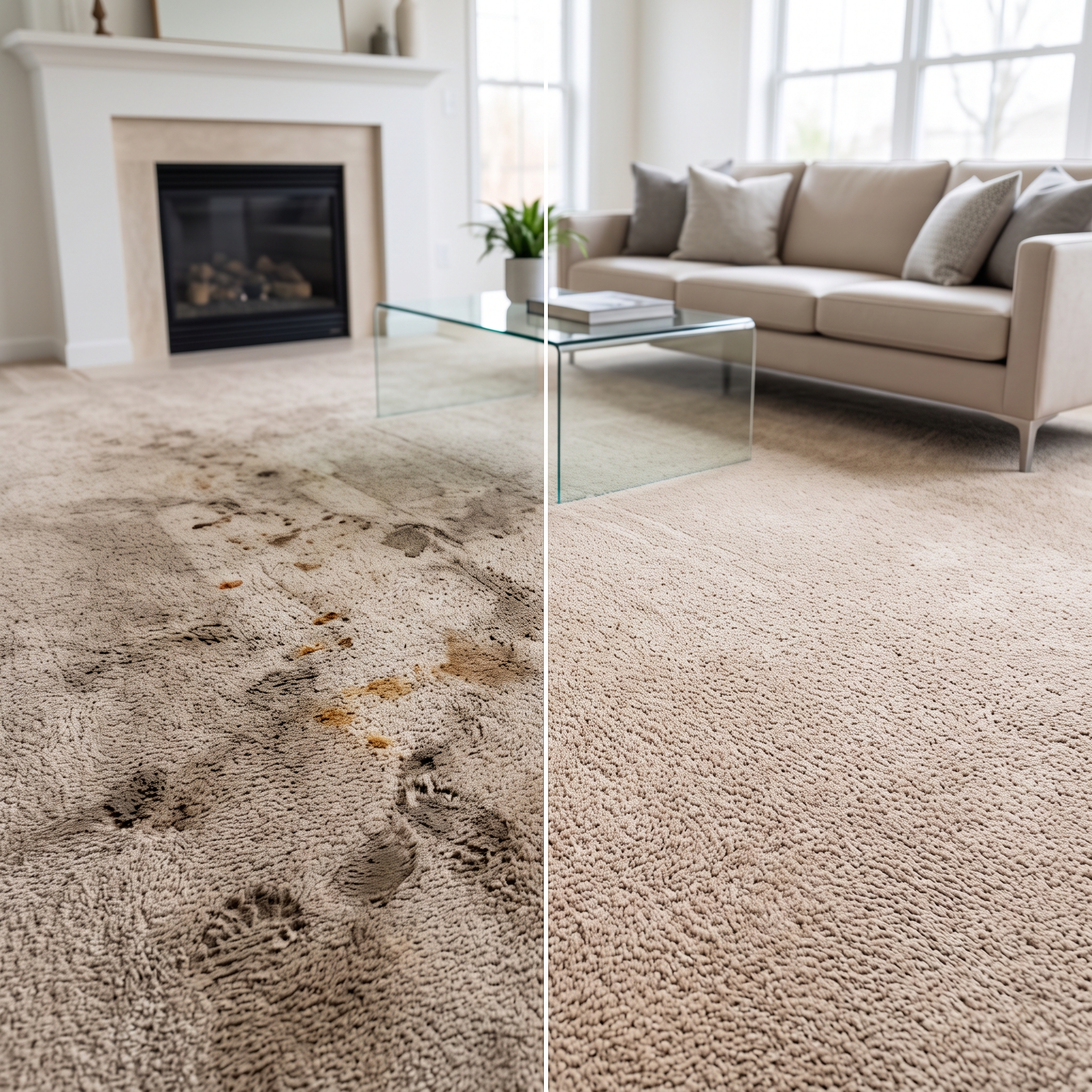
The groomed surface also provides a visual indicator of the cleaning quality. A consistently groomed carpet with no streaking, residue, or uneven areas reflects a thorough, professional cleaning result. A carpet with visible wand lines, uneven fiber direction, or damp patches that were not extracted thoroughly indicates incomplete technique.
Step Seven: Post-Inspection and Walkthrough
The final step before the technician leaves is a post-inspection of the cleaned carpet and a walkthrough with the homeowner.
According to the Tribune-Review, a post-inspection ensures all areas have been cleaned to standard. The technician walks through each room, checks that all pre-treated stains have been addressed, confirms that no areas were missed or under-extracted, and identifies any spots that may benefit from a second treatment pass. Remaining spots are treated at this stage before the technician packs up equipment.
The walkthrough with the homeowner is the opportunity to review the results, confirm that all identified problem areas were addressed, and receive post-care guidance. The technician explains the expected drying time, advises on when to replace furniture, and provides any specific recommendations for maintaining the carpet between professional appointments.
According to SoCal Steam Clean, many homeowners notice an immediate difference in carpet texture, color brightness, and air freshness after hot water extraction. The post-inspection walkthrough is where that result is confirmed and documented before the appointment closes.
How Long the Appointment Takes
A professional carpet cleaning appointment for a standard Central Pennsylvania home typically takes between one and three hours from arrival to completion, depending on the square footage being cleaned, the number of rooms, the overall soil level, and how many stains or problem areas require individual pre-treatment and attention.
A home with three to four carpeted rooms and moderate soiling typically takes 90 minutes to two hours. A home with heavily soiled carpet, multiple stains requiring individual treatment, or a larger footprint takes correspondingly longer. The pre-inspection at the start of the appointment is the point where the technician can give you a realistic time estimate based on what they see.
How Long Carpets Take to Dry
Modern truck-mounted hot water extraction equipment with dual-vacuum wands leaves carpets dry within two to four hours under normal household conditions in most Central Pennsylvania homes. This is significantly faster than older equipment or consumer rental units, which can leave carpets damp for six to twelve hours or longer.
You can accelerate drying by opening windows where weather permits, running ceiling fans, and setting the HVAC system to fan mode to increase air circulation. Avoid walking on damp carpet with outdoor shoes, which tracks new soil into the clean fiber before it has dried. Walk in clean socks or use plastic shoe covers if you need to cross the cleaned area during the drying period.
The Real Carpet Cleaners also offers professional rug cleaning, furniture cleaning, and mattress cleaning alongside carpet cleaning appointments for homeowners who want to address multiple surfaces in a single visit. Check current specials before booking for available multi-service pricing.
Final Thoughts
A professional carpet cleaning appointment in Carlisle, PA follows seven defined steps: pre-inspection, pre-vacuuming, pre-treatment of stains and high-traffic areas, hot water extraction, pH rinse and neutralization, fiber grooming, and post-inspection walkthrough. Each step serves a specific function in the overall result, and the quality of the finished clean depends on all of them being performed correctly in sequence.
The IICRC standard that professional hot water extraction removes up to 98 percent of contaminants from carpet fibers reflects what a properly executed professional appointment achieves. That result is not available from consumer equipment or DIY methods, which is why professional cleaning at regular intervals is the standard recommended by carpet manufacturers, the Carpet and Rug Institute, and indoor air quality researchers.
To schedule a professional carpet cleaning appointment in Carlisle, PA and surrounding Central Pennsylvania communities, contact The Real Carpet Cleaners at 717-307-5849. Serving Carlisle, Mechanicsburg, Harrisburg, Shippensburg, Camp Hill, and surrounding communities throughout Central Pennsylvania.